
In a world where technology drives nearly every competitive advantage, two roles stand out as critical pillars of modern organizations: the Chief Information Officer (CIO) and the Enterprise Architect (EA). Both are deeply involved in shaping technology strategy, aligning systems with business goals, and ensuring that technology investments create meaningful value. But while their missions overlap, the ways they contribute to the organization are distinctly different—and highly complementary.
The CIO: Chief Information Officer… and Chief Investment Officer
A great CIO isn’t just responsible for managing IT—they’re responsible for preparing the business for the future.
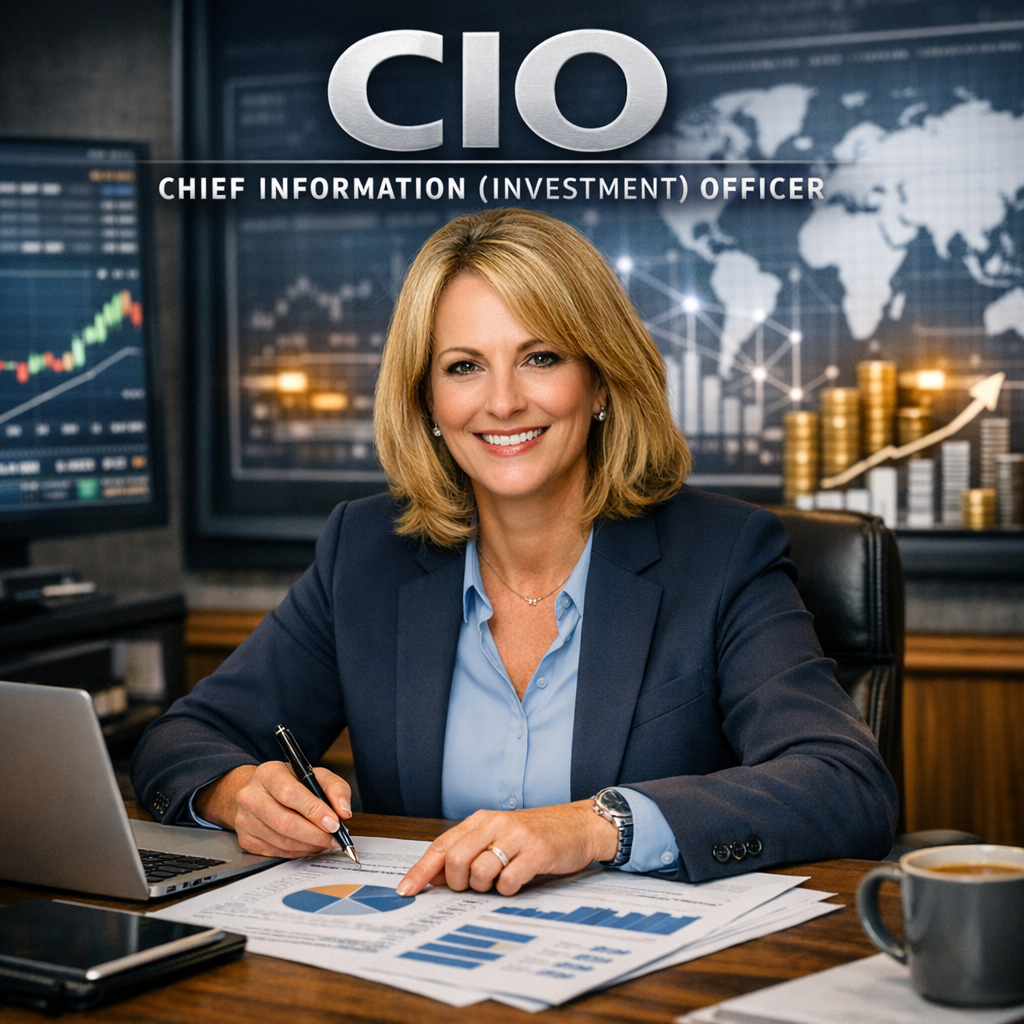
Today’s CIO must think like a Chief Investment Officer, ensuring that every technology decision becomes an investment in growth, resilience, and long‑term advantage. They translate business goals into technology roadmaps, oversee budgets, and help executives understand where technology will meaningfully impact outcomes. Their horizon is broad: risk, innovation, security, efficiency, modernization, and customer experience.
A CIO asks questions like:
- How can technology fuel strategic growth?
- Where should we invest—or stop investing—to stay competitive?
- Which innovations will matter most to our business model?
- How do we reduce risk while maximizing opportunity?
While a CIO may not spend their time deep in the technical details, they ensure the entire technology ecosystem is aligned with the business trajectory. They are the bridge between corporate strategy and digital enablement—balancing vision with practical execution.
The Enterprise Architect: The Blueprint Builder

If the CIO sets the destination, the Enterprise Architect designs the map to get there.
The EA’s responsibility is to create the architecture—the technical blueprint—that ensures the organization’s systems, data, and processes work together as a cohesive, scalable whole. They translate strategy into structure, ensuring the technology environment is resilient, efficient, secure, and ready to adapt as the organization evolves.
An EA asks questions like:
- How do these systems integrate today—and how should they integrate tomorrow?
- Where are the inefficiencies, redundancies, and technical risks?
- How do we simplify complexity while improving performance and security?
- What architecture will support our strategy as we scale?
Where the CIO zooms out, the EA zooms in—both essential perspectives for building a sustainable technology foundation.
Shared Purpose, Different Lenses
Although their responsibilities differ, both the CIO and the EA are focused on aligning technology with the needs of the business.
- Both think strategically, not tactically.
- Both look beyond tools to outcomes.
- Both care deeply about risk, scalability, and efficiency.
- Both ensure the organization is investing wisely in the right technology at the right time.
Their difference is in altitude:
- CIO = Vision, investment, business alignment, future planning
- EA = Architecture, integration, systems design, operational alignment
When these roles work together, the organization benefits from a powerful combination: strategic direction + architectural clarity.
Why the CIO‑EA Partnership Matters More Than Ever
Modern businesses face accelerating challenges: exploding SaaS environments, rising cyber threats, regulatory pressure, AI adoption, and ever‑expanding complexity. Without strong guidance, organizations risk overspending, under‑securing, and fragmenting their digital landscape.

A strong CIO ensures the business invests wisely.
A strong EA ensures those investments are built on a solid foundation.
Together, they reduce risk, increase value, and position the organization to innovate confidently. In a modern organization, the synergy of this partnership is key.
The Bottom Line
The CIO and the Enterprise Architect share a unified mission: to ensure technology strengthens the business, not complicates it.
The CIO drives strategy and investment.
The EA designs the systems and structures that make that strategy real.
And when a CIO embraces their role as Chief Investment Officer, the organization gains more than a technology leader—they gain a strategic partner committed to building a future‑ready business.


